Blog / Development notes
59 NOTES IN ENGLISHBuilding it,
writing it down.
Notes from the work
Products I built, and what building them taught me.
Each post is translated from the Korean journal.
Advertisement
Just published
- Google Gemini GIF Maker: Create 3-Second Looping GIFs with Omni 1.2 Flash How Google's Gemini Omni 1.2 Flash GIF generator works, the 8-country rollout including South Korea, and how it compares to standard AI video generation.
- Multica Guide: Turn Claude Code and Codex into Board Teammates How multica-ai/multica v0.11.1 orchestrates 31 coding-agent CLIs on one Kanban board, plus what its source-available Multica License allows and restricts.
- Phone Harness: Control Real iPhones and Androids with AI Agents How open-source Phone Harness v0.3.3 lets Claude Code and Codex control real iOS and Android phones via iPhone Mirroring, ADB, and MCP without jailbreaking.
- CodeGraph (v1.6.4): Local Code Knowledge Graph MCP Cutting Agent Tool Calls by 88% How colbymchenry/codegraph uses a Rust kernel and SQLite FTS5 to cut AI agent tool calls by 88% and cost by 44%, plus the context-occupancy trade-off to watch.
- AFFiNE Guide: Local-First Open-Source Notion & Miro Alternative A verified breakdown of AFFiNE (76.1k+ GitHub stars): BlockSuite and Rust y-octo architecture, MIT/MPL 2.0/EE licensing, and Cloud vs. Self-Hosted pricing.
- FreeVideo v0.6.6 Guide: Run MiniMax H3 Locally on 8GB VRAM A practical guide to FlashML-org/FreeVideo v0.6.6: running OpenVDN 8-step VDN-H3 locally on 8GB VRAM and 16GB RAM, hardware-adaptive inference, ComfyUI setup, and license limits.
- ChatGPT Space Rolls Out to Plus: Pages, Slides & Sharing Limits OpenAI expanded ChatGPT Space to $20/month Plus users on Nov 20, 2026. Here is what works across Pages, Slides, auto-updates, and sharing limits.
- BitNet (bitnet.cpp): Running 1-Bit LLMs on CPUs Without a GPU How microsoft/BitNet achieves up to 6.17x CPU speedup and 82.2% energy savings, plus 2026 embedding models, VibeASR.cpp, setup steps, and key limits.
- OpenSRE: Open-Source Agent That Triages Red CI Builds and Opens PR Fixes How Tracer-Cloud/opensre correlates CI logs, commits, and Grafana/Datadog telemetry to separate CI vs. code failures and push PR fixes for review.
- MarkItDown Guide: Convert PDFs & Office Docs to Markdown + MCP How to use Microsoft's open-source MarkItDown for LLM-ready Markdown conversion, OCR plugins, markitdown-mcp setup, and secure deployment.
- Firecrawl & Firecrawl Local: Turn Websites into AI Markdown & MCP Locally How to run GitHub Trending #1 Firecrawl Local without Docker or a database, connect it to Claude Code and Cursor via MCP, and compare Local vs. Cloud.
- AutoClip (v1.5.8): Open-Source Local AI Video Clipping Guide Turn long podcasts and talks into 10 ready-to-post Shorts locally with AutoClip. Verified specs, 7.5-minute benchmark costs, CLI/MCP setup, and limits.
- MiniMind-3 (64M): Train Your Own LLM from Scratch in Native PyTorch Breaking down jingyaogong/minimind (67.5K stars): 64M Dense vs. 198M-A64M MoE specs, what the 2-hour RTX 3090 claim actually covers, and the full Pretrain-to-Agentic RL pipeline.
- Plannotator: Browser-Based Plan & Code Review for AI Agents How backnotprop/plannotator v0.29.1 brings inline plan annotations, diff reviews, and an async agent Inbox to Claude Code, Codex, and Gemini CLI.
- CLI-Anything: Turn Any Software Into an Agent-Native CLI How HKUDS/CLI-Anything's 7-phase harness pipeline and CLI-Hub let AI coding agents control Blender, GIMP, LibreOffice, and internal tools via --json.
- Gemini Notebook 'make me a site': Guide, Sharing & Limits How Google Gemini Notebook's 'make me a site' turns sources into interactive sites, plus full-notebook sharing rules and 5-hour quota limits.
- T3 Code Guide: Control Claude Code and Codex from Your Phone How pingdotgg/t3code runs your local Claude Code, Codex, and Cursor logins with T3 Connect or LAN/Tailscale remote approval, Git worktrees, and four permission modes.
- HeyGen Avatar 6: Inside the '84% Indistinguishable' Claim and Word Edit Breaking down HeyGen Avatar 6's 84.4% Turing test math, single-clip vs. side-by-side results, 48.3 dB Word Edit preservation, and 30s consent rules.
- Claude Code Code Mode Guide: Setup, Limits, and v2.1.328 Updates How Claude Code's experimental Code Mode runs multiple tools via JavaScript, setup rules, v2.1.328 fixes, and why the 37% token figure isn't a Code Mode benchmark.
- Google Gemini Tasks Free in Korea: Free vs. Pro/Ultra Guide A breakdown of Google Gemini Tasks' free rollout in six countries including South Korea: Free/AI Plus vs. Pro/Ultra schedule limits, browser isolation, and U.S.-first feature gaps.
- OpenAI GPT-6.2 Astra vs. Sol: Is 1/5-Cost Sol Enough? Comparing OpenAI GPT-6.2 Astra and Sol API pricing, cache and Ultrafast tiers, official benchmarks, and practical routing rules for developers.
- Caveman Audited: What 3% Skill and 33.2% Proxy Cuts Actually Mean An audit of JuliusBrussee/caveman using its own evals, SoloSoft's audit, and JetBrains data—separating the 3% voice skill from the 33.2% local proxy.
All posts
-
 GPT-6.2 Astra and Sol: Benchmarks Went Up, So Why the Harsh Reviews on X? How GPT-6.2 Astra and Sol (released Nov 17, 2026) differ, the official and independent benchmarks, what developers like, and the criticism on X and Hacker News, with sources.
-
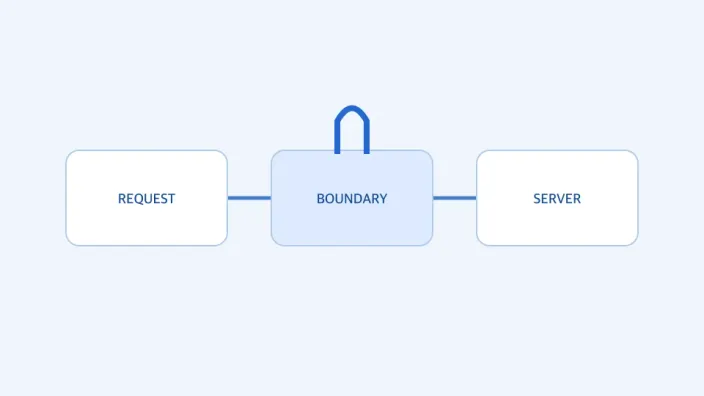 [React] Critical Security Vulnerability in React Server Components (CVE-2025-55182) Analysis and response guide for CVE-2025-55182 (CVSS 10.0), an unauthenticated RCE in React Server Components: affected versions, patches for Next.js and React, and a stack checklist.
-
 Claude Haiku 5.5: Token Pricing, API Credits, and What to Hand Off in Practice Claude Haiku 5.5's official pricing around 100K tokens, Max and Team API credits, benchmarks, and subagent use, plus what the 75% cost cut means.
-
 Experiment Notes: A Blog Chatbot and the OpenAI API Adding an OpenAI chatbot to a personal blog: one Next.js API route and a system prompt were enough, and RAG was dropped for cost and complexity.
-
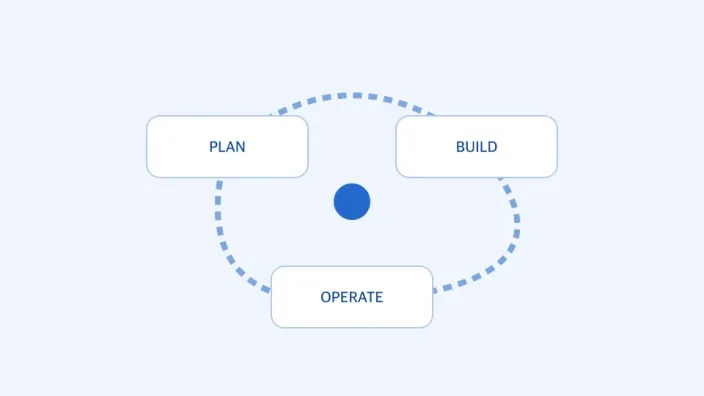 How Toris Builds Products: The Development Workflow of a One-Person Studio The tools, automation, and quality gates Toris uses from planning to operations: a standard stack, type checks, CI tests, and Sentry stand in for reviewers, and the trade-offs involved.
-
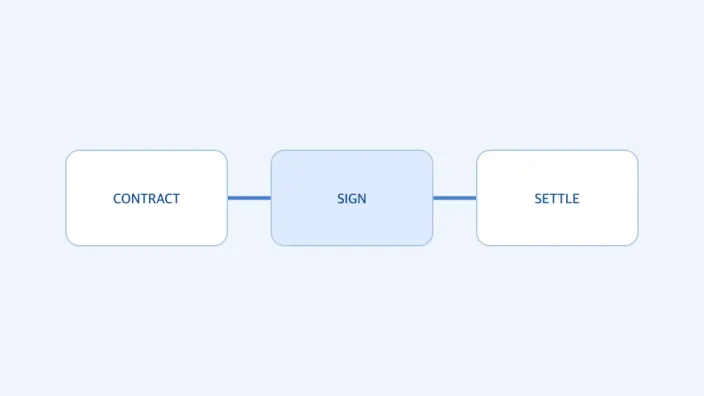 [Case Study] 21N E-Contract Platform: A Hospital-Model B2B2C Contract and Settlement System Designed Without a PG How I designed contracts, points, and settlement for a hospital-model B2B2C platform around bank APIs and e-signature (Modusign) instead of a PG, covering regulatory limits and trade-offs.
-
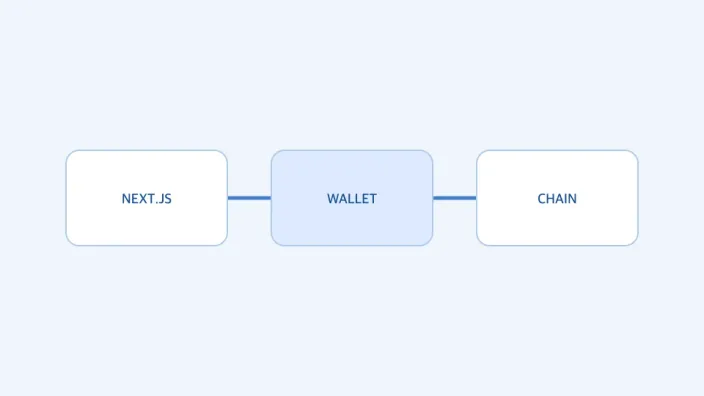 A Next.js-Based Web3 Product Stack: Toris Engineering Notes Notes on the Next.js stack Toris validated building Web3 products like PEPEBear and CryptoTrade.gg: deploying contracts with Hardhat, OpenZeppelin, thirdweb, and ethers.js, plus NFT and points systems.
-
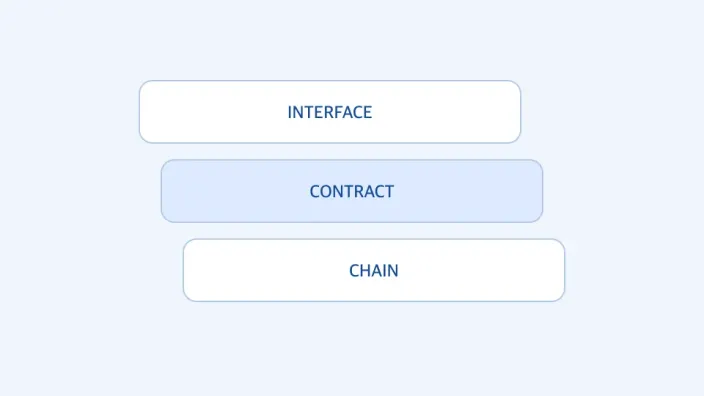 DeFi Service Architecture Notes: The Components from a Product Perspective Toris's engineering notes on core DeFi components such as DEXs, lending, and staking from a product view, covering Solidity structure, Next.js integration, and security judgment criteria.
-
 [React] React Server Components Security Vulnerabilities (CVE-2025-55184, CVE-2025-55183) and the Reac2Shell Attack Vector Analysis of the React Server Components DoS (CVE-2025-55184) and source code exposure (CVE-2025-55183) flaws, the Reac2Shell vector that chains them, patches, mitigations, and best practices.
-
 [Case Study] The Only Full-Stack Developer in a Marketing Org: A Year at 21N, Decisions and Operations A case study of how one full-stack developer at a marketing-led company handled ruling out a PG, integrating Modusign e-contracts, cost design, and external integration operations.
-
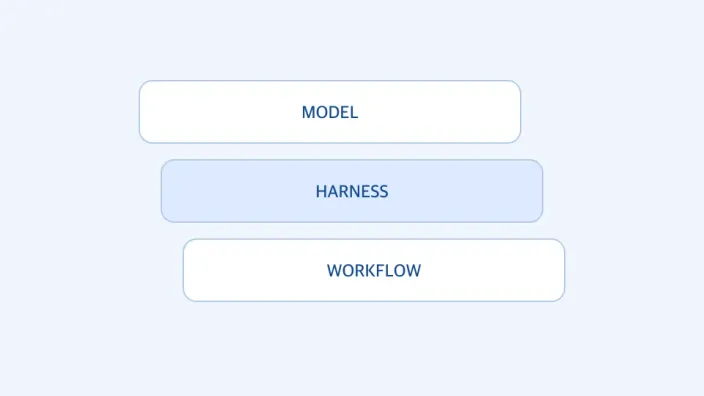 AI Productivity: The 2026 Coding Agent Landscape and How to Choose Tools In 2026 the AI coding agent market shifted from a model race to a harness (scaffolding) race. Toris, a solo studio, covers the four-stage evolution, Claude Code vs Codex, and tool selection criteria.
-
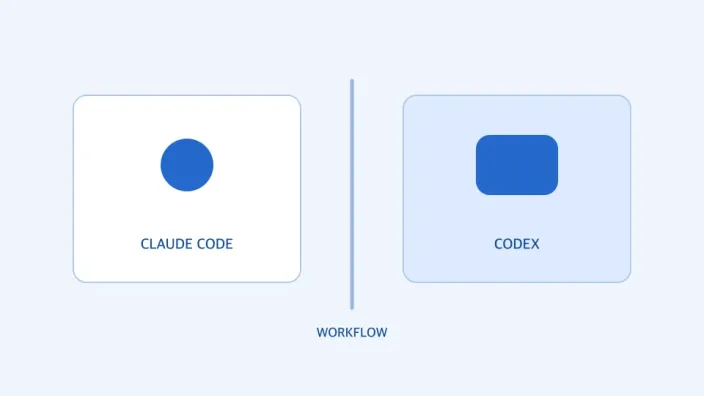 Maximizing AI Productivity: How to Use Claude Code and Codex Together Toris subscribes to both Claude Max and ChatGPT Pro. Task routing, shared harness assets, parallelization, and cross-review: how $400 a month pays for itself.
-
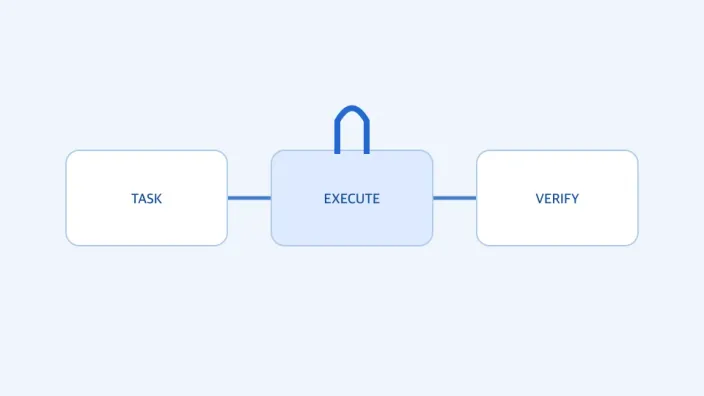 AI Productivity: The Evolution of OpenAI Codex and How to Evaluate Alternatives In 2026, Codex is OpenAI's coding agent platform spanning CLI, cloud agent, IDE, and API. Toris, a Claude Code user, tracks its evolution to verify alternatives and hedge risk.
-
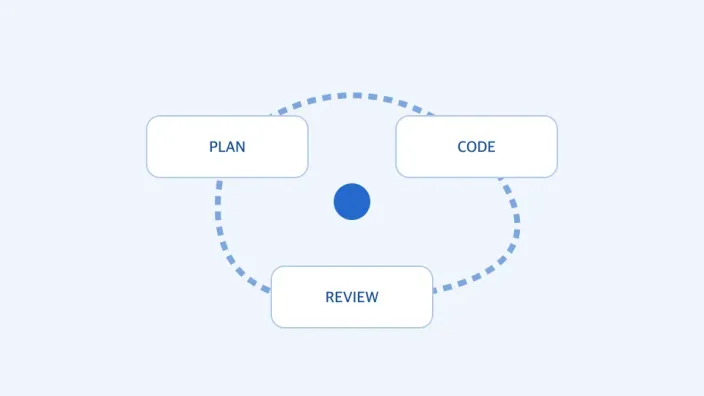 AI Productivity: Why Claude Code Sits at the Center of My Dev Workflow Claude Code has become an agent orchestration runtime with subagents, skills, MCP, and hooks. Early-2026 trends from a solo developer using it daily.
-
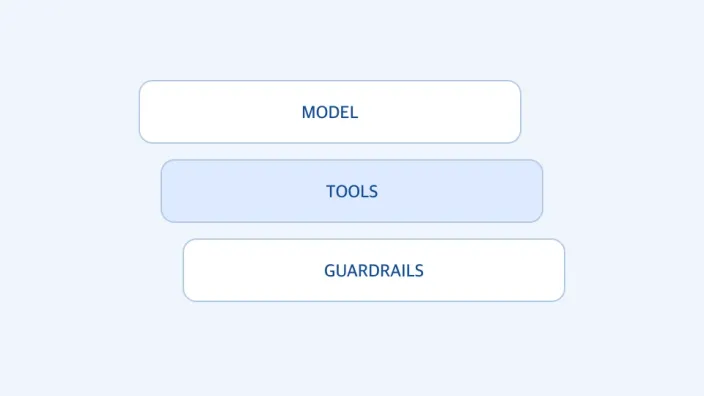 AI Productivity: Harness Engineering, the Foundation of Agent Performance Harness engineering wraps a model with context management, tool orchestration, verification loops, and permission gating. The model sets the ceiling; the harness decides reliability.
-
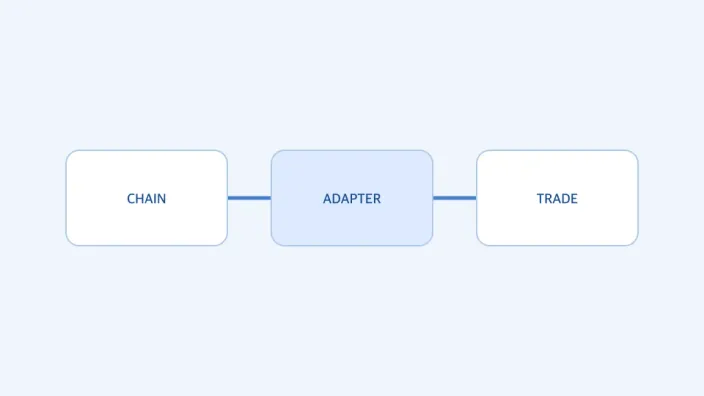 [Case Study] CryptoTrade.gg - Design and Trade-offs of an On-Chain Trading History Service A technical case study of CryptoTrade.gg, the on-chain trading history lookup service Toris built: problem definition, technical design, and the community feedback loop.
-
 [Case Study] bubbleBible: Designing a Mobile-First PWA That Builds a Daily Scripture Habit A case study of bubbleBible, a Bible platform built on habit and community: its PWA strategy, restrained gamification, and real-time community architecture.
-
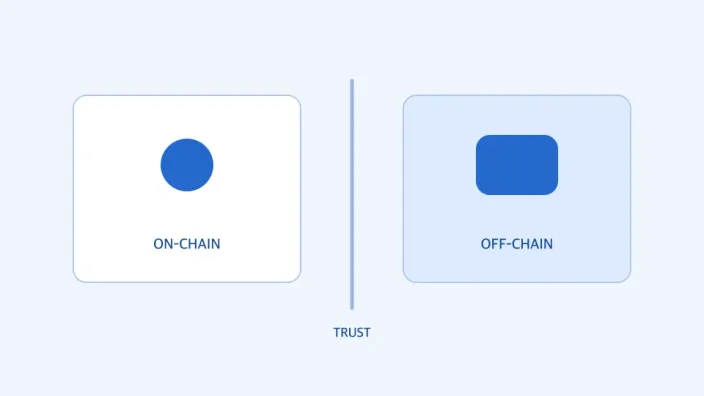 [Case Study] PEPEBear: On-Chain and Off-Chain Design of a Solana-Based Community Platform A technical case study of PEPEBear, a community platform Toris built on Solana, covering wallet UX, on-chain and off-chain data separation, and the community validation loop.
-
 [Case Study] love-trip: Designing a Product That Puts Couples' Trip Planning on One Screen A case study of love-trip: its product hypothesis, monorepo architecture, and external API dependency strategy for unifying scattered travel information.
-
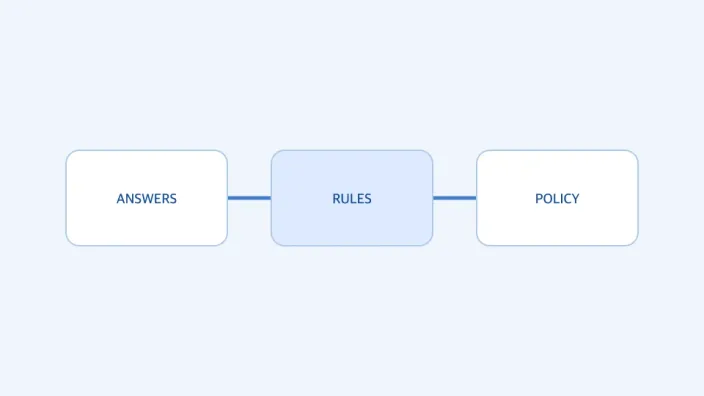 [Case Study] ym_guide: Designing a Curation Product That Cuts the Cost of Finding Youth Policy Information A technical case study of ym_guide: a question-based recommendation layer on the youth policy OPEN API, covering the product hypothesis, data processing strategy, and recommender design.
-
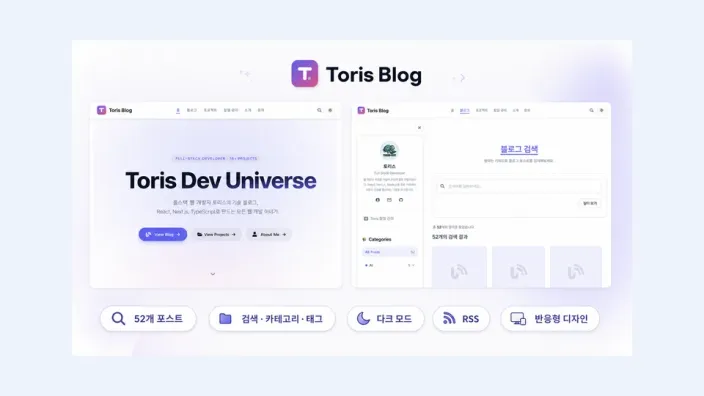 [Case Study] Toris Blog: How We Built Our Own Company's Tech Blog A dogfooding case study of the technical decisions and file-based CMS trade-offs Toris made while designing, building, and running its own tech blog.
-
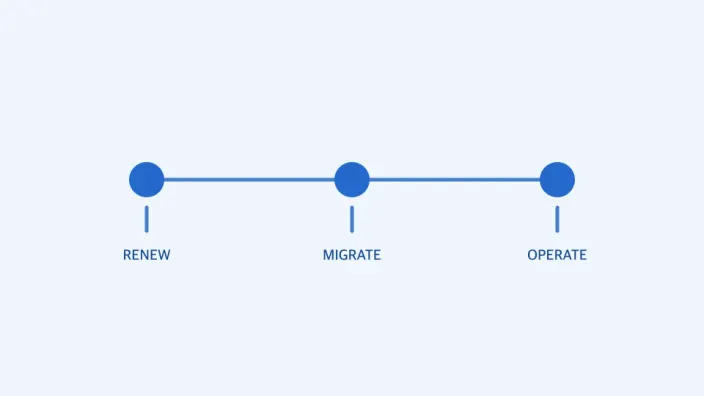 [Case Study] Four Months at Semware: A Renewal, an Education Platform, a Legacy Migration, and the Move to SM Full-Stack A case study of four months at Semware (셈웨어): a website renewal, an education content platform, a legacy API migration, and the shift to full-stack on the Itda SM project, focused on constraints, design decisions, and coordination.
-
 Picking Up Browser Work from Claude Code in Codex with ego lite How ego lite's Space keeps the browser screen alive so Codex can pick up where Claude Code left off, seen from a solo developer's point of view.
-
 Motion Graphics and AI, Thoughts From Uploading Architecture Videos With Grok Bot Notes from using Grok Bot to upload videos for an architecture YouTube channel: how fast motion graphics production is changing, and the judgment that still remains in video work.
-
 Toris Studio Retrospective: Local TTS and Video Verification as One Workflow The Toris Studio workflow from making ClubLog videos and Shorts: scene data, local Qwen3-TTS, per-format editing, audio and output checks, and the line between publish prep and publishing.
-
 AppForge Retrospective: What Lay Between a Successful Build and a Finished Product Execution errors and quality bottlenecks found while using the app automation tool AppForge: the generate-verify-fix loop, evidence-based completion criteria, and the release boundary left to humans.
-
 Why I Settled on Orca as My Fixed Tool: Notes from Using It Alongside Paseo and cmux Comparing Paseo, cmux, and Orca in my real workflow, and why I chose the open-source Orca as my fixed tool to reduce cognitive disconnection and working-memory overload.
-
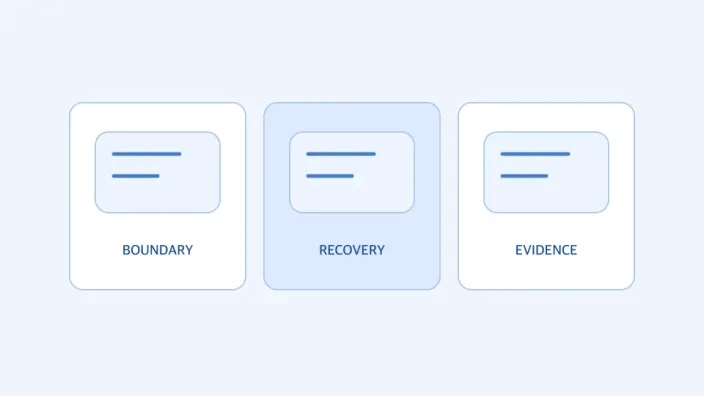 Three Standards Left After Reviewing 30 Project Retrospectives Standards drawn from looking back at an education platform, e-contracts, travel recommendations, and mobile apps across 30 posts: state boundaries, recovery after failure, and completion backed by evidence.
-
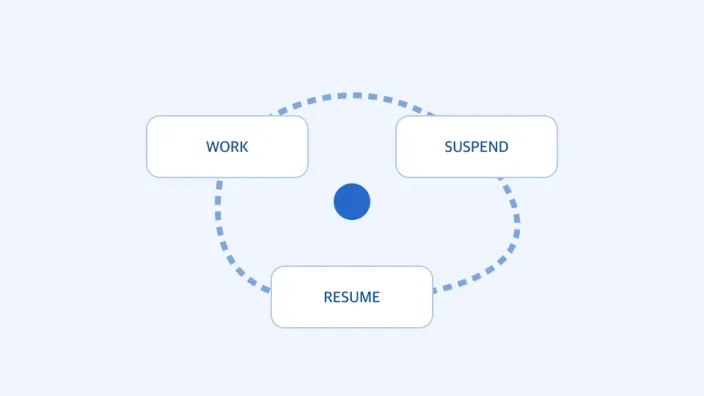 Why I Look at the Close-Project Features When Choosing AI Dev Tools Why the editing view and project switching matter in an AI dev tool: judging by the cost of reviewing, stopping, and returning, not generation speed.
-
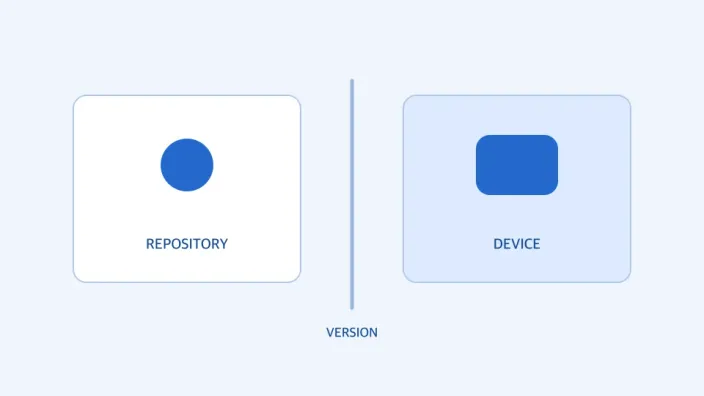 Shipping App Updates: The Installed Version Does Not Move with the Repository Prompted by the Baro Toilet and WakeProof updates, a look at how app releases differ from web deployments: installed users, existing settings, and the scope of post-release checks.
-
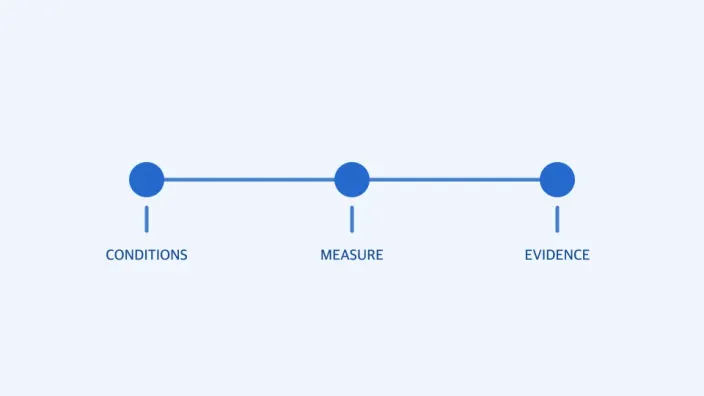 Keeping Measurements I Can Explain Again, Not Just Performance Scores Lessons from image optimization and code splitting on a blog and mobile screens, and how I separate past measurements from current state, and lab results from real-user performance.
-
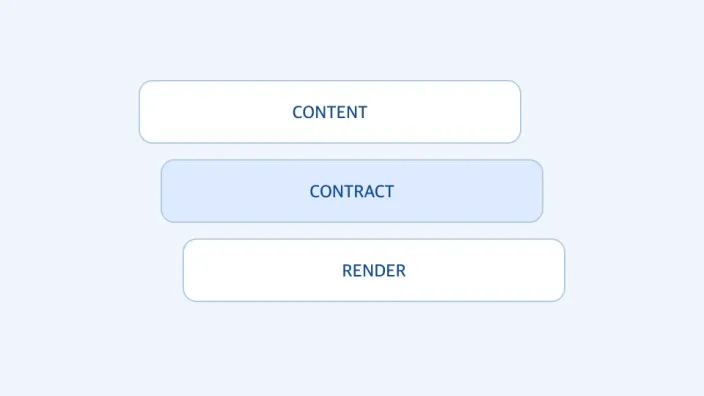 After Building My Own Blog, the Lasting Asset Was the Writing, Not the Framework A look back at Toris Blog, which started on Next.js, and the current Astro structure, and why keeping markdown, URLs, and metadata matters more than swapping technology.
-
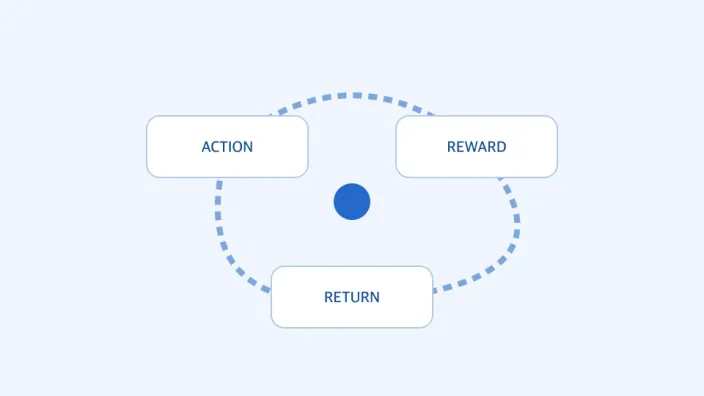 Before Adding Rewards, We Asked Which Behavior We Wanted to Increase A look back at the education platform's points and bubbleBible's reward design: separating behaviors that can be recorded from the values the product aims for.
- Thinking About the People Who Come Back to Read in bubbleBible A look back at bubbleBible's mobile-first reading experience. Making the place to read and the next action clear mattered more than introducing features to first-time visitors.
-
 Looking Back at SnapMate: When Is a Single Photo Done? Using the group photo-sharing app SnapMate to separate capture, upload, and gallery reflection, and why the file and its post data must complete together.
-
 Why I Thought About the Screen After the Search Results in MemeCatch A look back at MemeCatch's list, category, hashtag, and detail navigation. Finding results that match a query and understanding how an expression is used were different challenges.
-
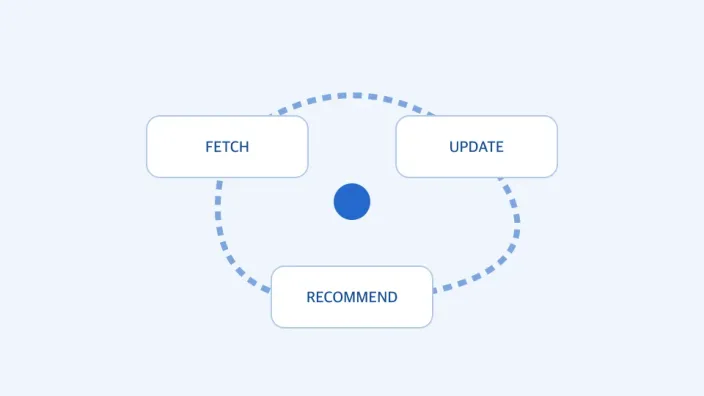 YM Guide's Operational Debt Was in Data Refresh, Not Recommendations The limits of manual updates while building youth policy curation. Separating recommendation accuracy from information freshness, and empty results from collection failures.
-
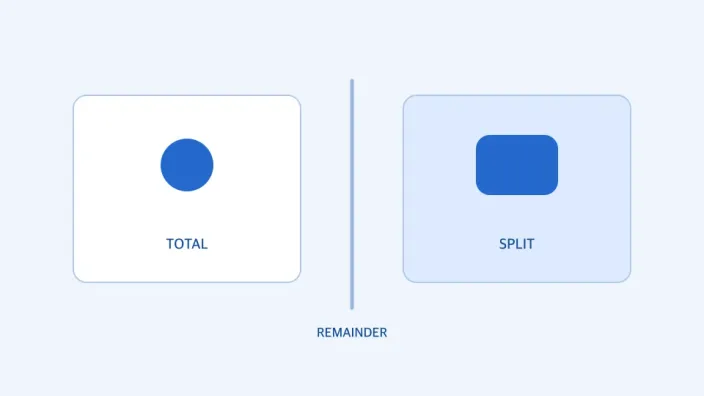 Who Gets the Leftover 1 Won in a 1/N Split? Looking back at LOVETRIP's budget and settlement feature: preserving totals, distribution rules, and consistency at save time, with an illustrative integer-split example.
-
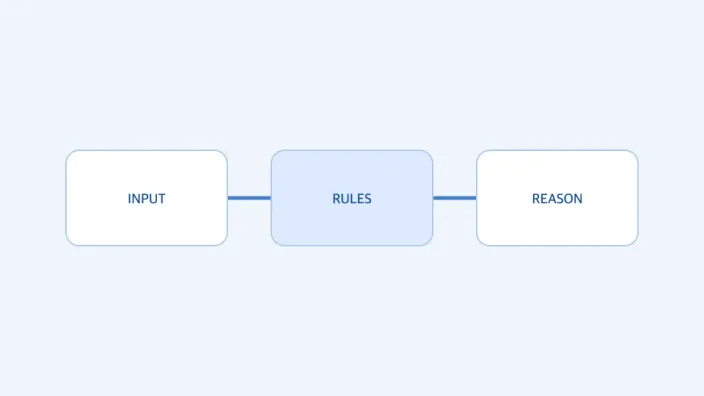 What Recommendations Needed First Was Explainable Rules, Not a Model A look back at LOVETRIP's course recommendations and YM Guide's policy recommendations: what I learned about early-product judgment by separating candidate filtering, scoring, and result explanation.
-
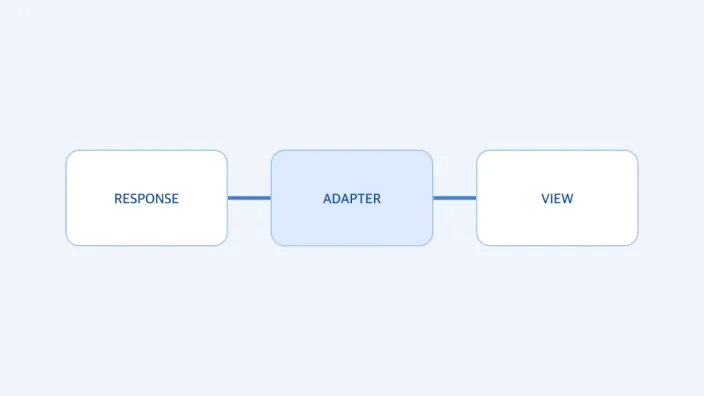 Why LOVETRIP Didn't Send External Responses Straight to the Screen Converting travel data from several sources into an internal place model, and how separating collection from service helps absorb external changes.
-
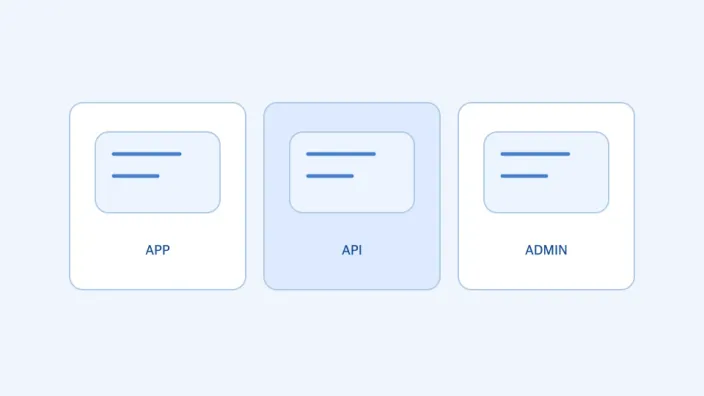 What Gets Easier and Harder When the App, API, and Admin Share One Repository Sharing domain types in the 21N monorepo: a look at the benefits of code reuse together with the blast radius of shared changes.
-
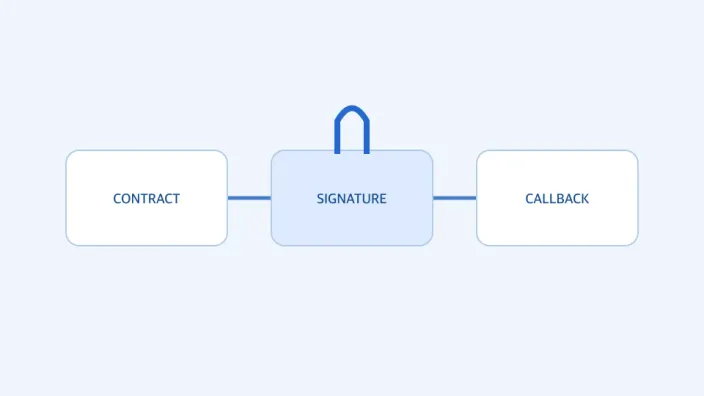 Even Without Building E-Signatures Myself, the Hard Parts Remained On choosing Modusign integration at 21N: what an external service removes, and the state and failure boundaries a product still has to own.
-
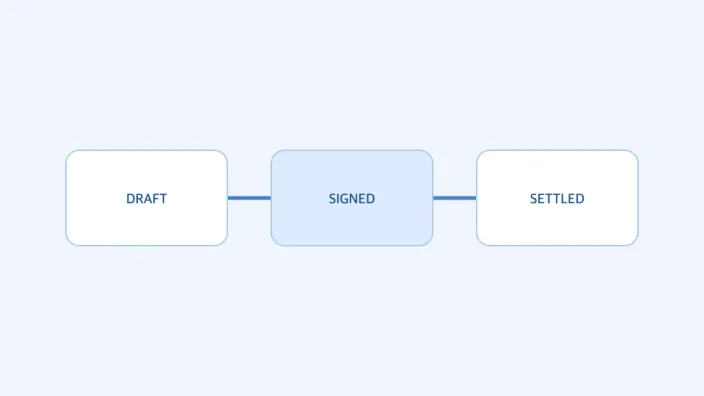 What I Learned from Yeppeun Contract: Contract State Came Before the Screens Working on 21N's e-contract platform, where the app, hospital admin, and central admin all handled the same contract, and how I split per-user screens from shared state rules.
-
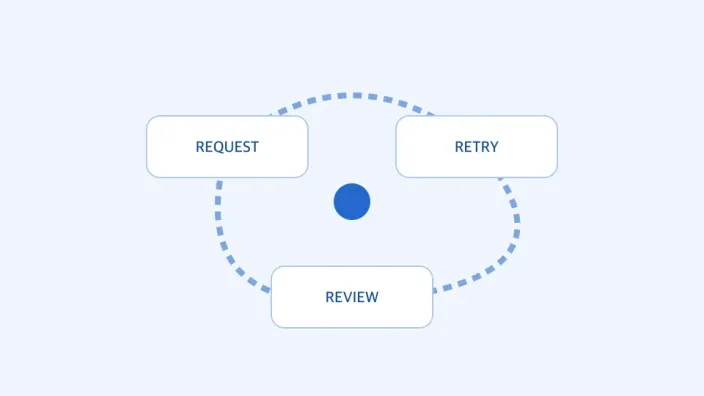 A Dead-Link Checking Batch: Not Treating a Failed Response as Grounds for Deletion Looking back at content management and dead-link check automation: telling a temporary failure of an external link from a real shutdown, and leaving evidence for a human to judge.
-
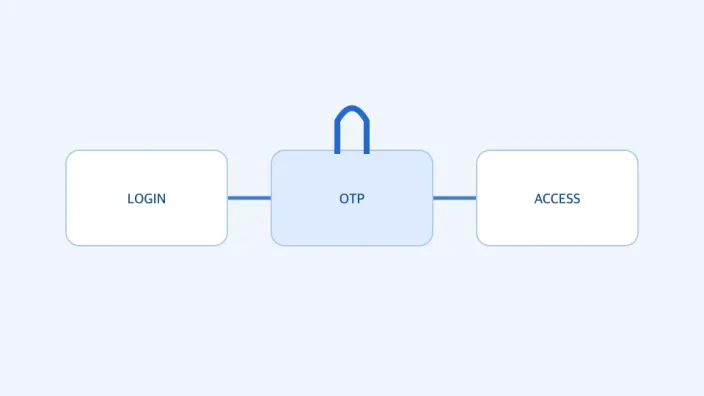 Adding Admin OTP Taught Me the Questions That Come After Authentication A look back at the admin OTP authentication work on Itda SM: a successful authentication screen and the scope of operations protected on the server had to be checked separately.
-
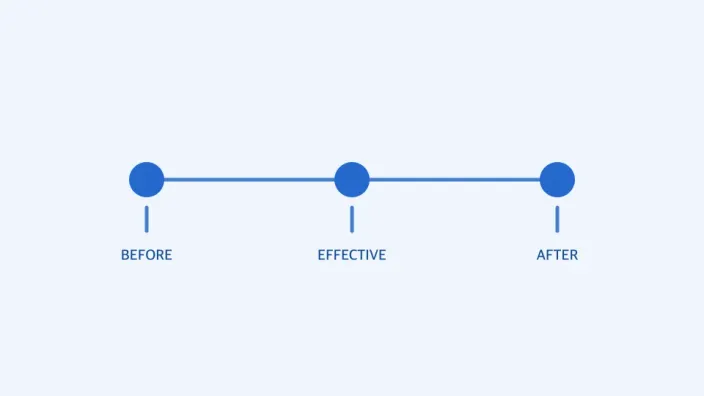 The "After July 1" Condition: What I Learned Putting a Policy Effective Date in Code Implementing the effective date of a points policy and per-server-environment conditions: a look at the reference time and policy version hiding behind a single date comparison.
-
 Awarding Points Was a State Transition, Not Addition Handling point payouts and deductions across content being made public, private, or deleted, and why prior state and processing history came before amount calculation.
-
 From Frontend to Spring: Taking Ownership of What Happens Behind the Screen On the Itda SM project I widened my scope to Spring and MyBatis, going from waiting on an API to explaining the whole data flow. A look back at that shift.
-
 Why I Didn't Replace the Legacy System All at Once Moving Semware from a bundled-library dependency to an API-based setup. Understanding live features and splitting the work into reversible units came first.
-
 The Boundary I Hit Running Node Scripts in a React Project Hitting conflicts between ES modules, ts-node, and tsconfig taught me to treat browser code and file-generation scripts as separate runtime environments.
-
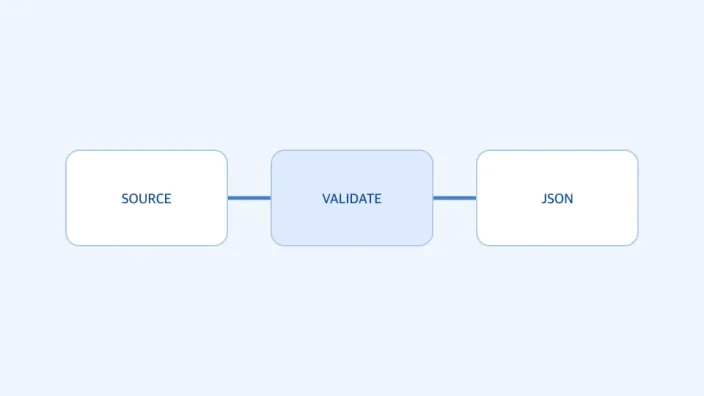 Our JSON Generation Script Was Product Code Too A look back at the Node.js job that converted educational content into ViewerData and saved it to public/data, and how input validation at the conversion boundary cut screen errors.
-
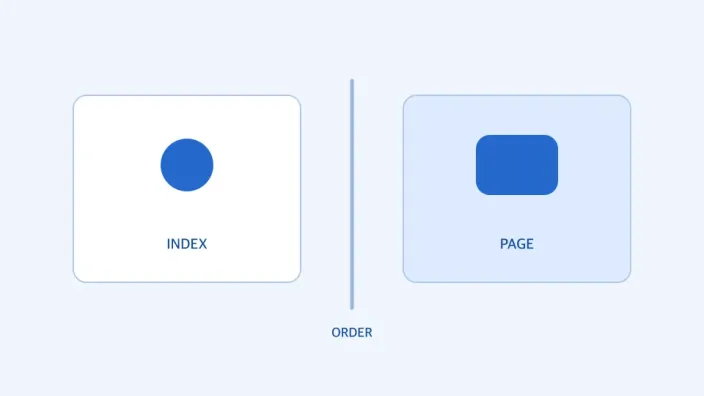 One Cover Page Shook the Numbering: When I Loaded Too Much Meaning into index Computing lesson numbers and quiz numbers that exclude the cover in an education viewer, and the standard for separating array position from the number shown to users.
-
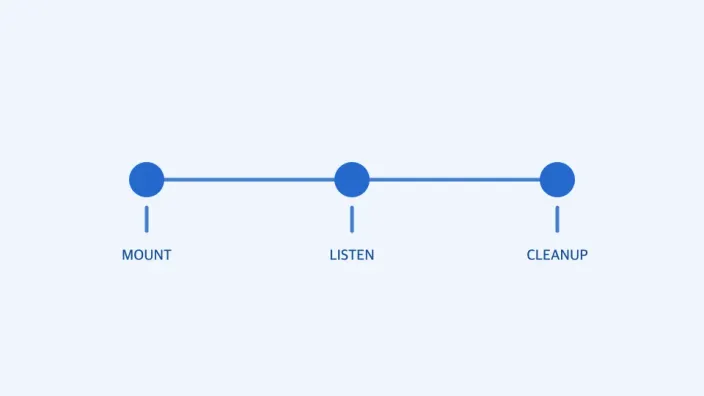 When the Page Changed, the Click Wiring Had to Change Too A look back at useClickable and page transitions in educational content, covering event registration and cleanup, stale state references, and boundaries when handling DOM outside React.
-
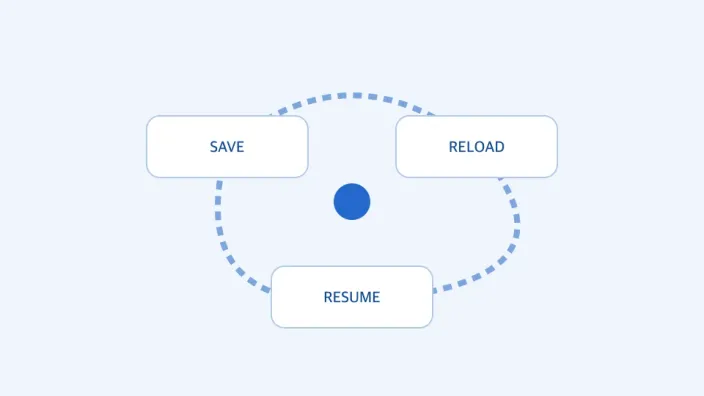 Solving State That Survives a Refresh, and Match Records You Can Re-enter A look back at sessionStorage in an education platform and the re-entry problem in a volleyball scoreboard. Data being saved and users continuing their work were different requirements.
-
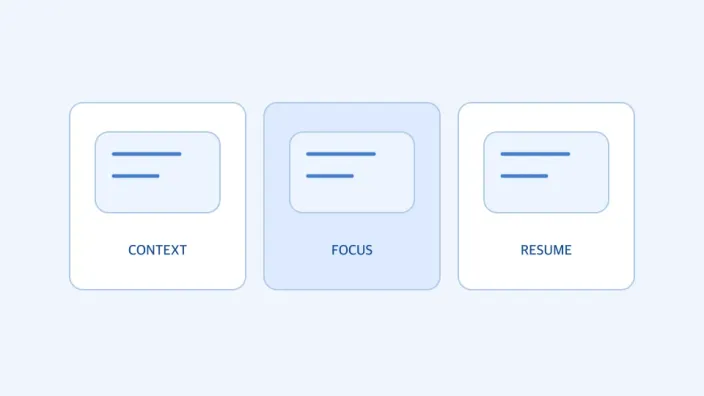 What I Learned Building 17 Apps and 3 Web Services: I Had to Protect My Working Memory A look back at the cognitive discontinuity and working-memory overload from building 17 apps and 3 web services, and how to shrink and resume work context instead of adding tools.
-
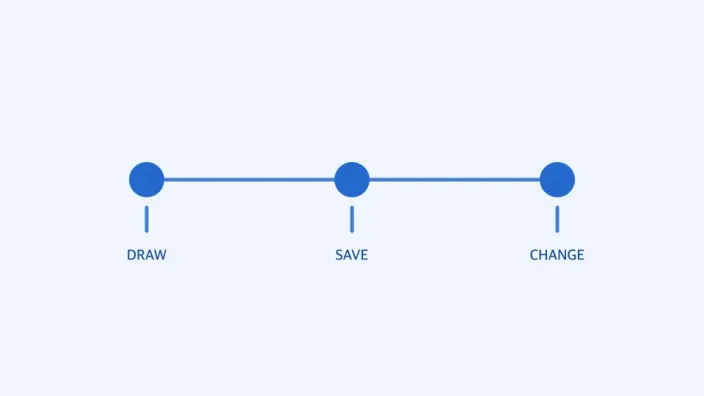 A Tool That Disappears When the Scene Changes: Revisiting Drawer Save Timing Drawing on problems from calling getData on an AlgeoMath tool during scene transitions, this separates React cleanup functions from the responsibility of saving user data.
-
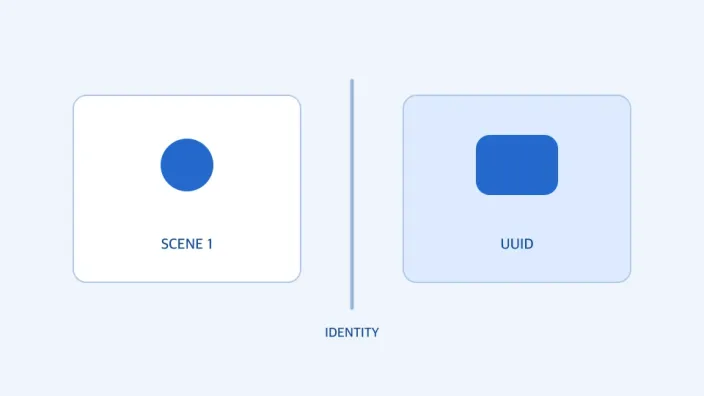 Between scene1 and a UUID: Rethinking the Role of IDs in an Education Viewer On the identifier problem of scene and content IDs in an education viewer, and why treating order, reference, and display number as one value makes edits hard.
-
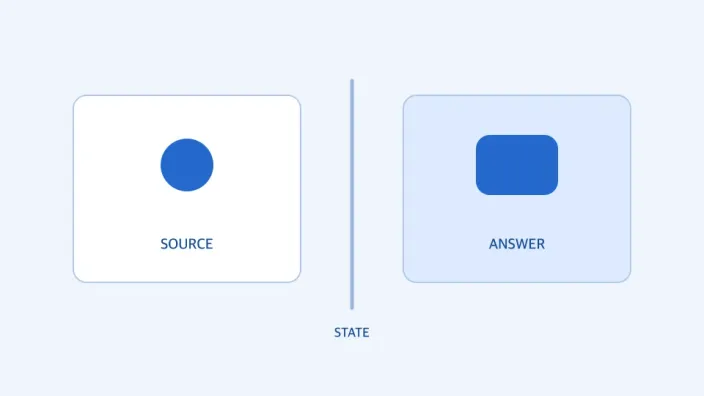 What I Learned Building Educational Content: Why Source Data and Solving State Are Separate Separating problem data from users' solving state in a React education platform, and why data lifetime and reset boundaries come before screens.
-
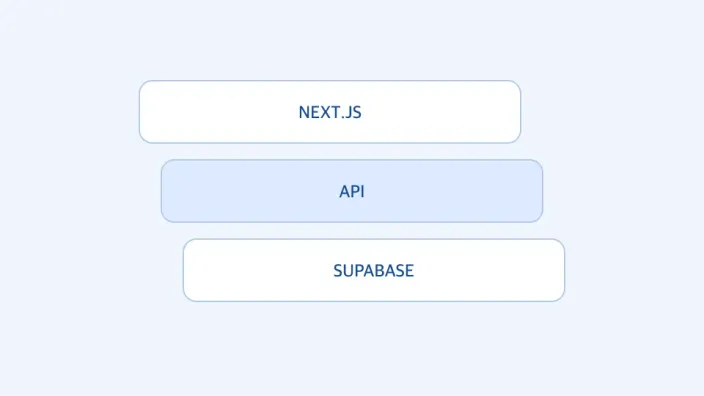 Supabase + Next.js: The Standard Stack Toris Uses to Ship MVPs Fast Practical Supabase + Next.js standards Toris applies to real products like MemeCatch, YM Guide, and LOVETRIP: PostgreSQL, auth, RLS, realtime, and storage.